
Moving Tips & Guides from Toronto’s Best Moving Company.
Residential Moving Toronto: The 6-Week Countdown Most People Start Too Late
Six weeks is the realistic runway for a residential moving day in Toronto, and most people start with two or three, which is why they overpay and scramble. The early tasks are the ones with hard deadlines you cannot rush: movers book up three to six weeks ahead in peak season, condo elevators need reserving one to four weeks out, and Ontario renters must give 60 days' written notice on Form N9 even earlier than that. Start the countdown six weeks before move day and your move is a plan. Start it two weeks out and it becomes a fire drill that costs you money and a missed elevator window.
Residential Moving Companies: Crew Size and Why a 2 vs 4 Man Team Changes Your Day
Crew size changes your move day more than almost any other choice you make. A smaller crew costs less per hour but takes far longer, while a larger crew costs more per hour and finishes in a fraction of the time, often for a similar total bill, and with less of your day lost and lower risk of damage. In Toronto, residential moving companies typically charge about $125 to $190 per hour for two movers, $190 to $250 for three, and roughly $270 to $330 for four. Two movers suit a studio or one-bedroom. Three or four suit larger homes, stairs, or heavy items. The right crew is the one that finishes inside your access window.
Commercial Movers Explained: When a Toronto Business Needs Them vs General Movers
Commercial movers specialize in business relocations: offices, IT and servers, retail, and warehouses. They carry the insurance commercial buildings require, coordinate freight elevators and after-hours windows, disassemble cubicle systems, handle IT equipment with a documented chain of custody, and run the move as a managed project. General or residential movers handle homes and small loads. A Toronto business needs commercial movers when it has a network or servers, regulated client data, a downtown tower with strict building rules, downtime that costs real money, or modular office furniture. A micro-office with a few desks, no server, and a relaxed building can usually use a general mover.
Commercial Moving Services Toronto: IT and Server Relocation Without Data Loss
The single rule that prevents data loss in an IT move is a tested, verified backup made before anything is unplugged. No mover can guarantee your data. Your backups protect the data, and the commercial moving services Toronto firms provide protect the hardware and the chain of custody. A safe server relocation means a full tested backup and offline copies of your configurations first, documented rack and cable maps, anti-static and shock-protected transport, a signed chain-of-custody log, and verified reconnection and testing at the new site. Schedule it after-hours or over a weekend to keep downtime low.
Office Movers Toronto: The After-Hours vs Weekday Downtime Math for Small Firms
For most small Toronto firms, an after-hours or weekend office move costs about 20 to 40 percent more on the mover's fee but saves far more in avoided downtime. The math is simple: total cost equals the mover's fee plus your hourly operating cost multiplied by the hours your team cannot work. A weekday move that idles a 10-person office for a day often costs more in lost payroll than the weekend surcharge. Many downtown towers also ban business-hours moves outright, so the choice is frequently made for you. When you compare quotes from office movers Toronto firms rely on, run the downtime number first, then the invoice.

Local Movers Toronto: Parking, Permits and Laneway Access Problems Nobody Warns You About
In Toronto, where the truck parks decides how long your move takes and how much it costs. When you hire local movers Toronto crews for a downtown or midtown job, the moving van can legally stop on the street only while actively loading or unloading, and it can still be ticketed under city parking rules. On tight streets with no space out front, you often need a temporary parking permit or posted No Parking signs to hold the curb, commonly priced around $25 to $40. Laneway access, low clearance, and long carries add time on top of that. Sort parking before move day, not on it.

Moving Company Toronto: What Your Quote Actually Locks In Before Move Day
A quote only locks in your price if it is a binding flat rate. When a moving company Toronto renters and homeowners call gives you a non-binding hourly estimate, that number is a best guess that can rise on move day based on actual hours, stairs, or delays. A flat-rate quote locks the price before move day, with toll, gas, and mileage included, so a slow elevator in a Yorkville tower or a parking holdup on King West does not inflate your bill. Always confirm in writing whether your quote is binding, what is included, and what costs extra.

Movers Toronto: How Elevator Booking Windows Decide Your Move Date
In a Toronto condo, your elevator reservation sets your move date, not your moving company. Book the freight elevator with property management first, usually one to two weeks ahead, and two to four weeks ahead from May to September. Then book your movers around that window. In buildings across CityPlace, Liberty Village, and Yorkville, elevator slots run during business hours only, often 9 a.m. to 5 p.m., and most towers allow one move per day. Miss the window and your move slips by days or weeks.

Moving to Lawrence Park: A High-End Homeowner's Relocation Guide
Moving to Lawrence Park requires specialized planning due to the large estate homes in the area, strict property standards, and luxurious interiors. The majority of moves cost between $8,000 and $18,000 and require 10-14 weeks of pre-booking. The most challenging part is finding movers who can handle large furnishings, custom millwork, and narrow driveways without damaging the $200+ per square foot finishes.

7 Mistakes People Make When Moving Into High-End Toronto Homes
The process of moving into a luxurious residence in Toronto will require more preparation than the typical move. The most frequent errors in luxury moving include not estimating timeframes, not securing insurance enhancements, and hiring movers without prior expertise. These mistakes cost homeowners $3,000 to 8,000 in damages and delays that could have been avoided.

When Is White Glove Moving Actually Worth It?
Most relocations look simple on the surface: pack, load, transport, and unload. Yet behind each operation is a system of dependencies: timing, access, material sensitivity, and communication. In a city like Toronto, these variables become more complex. Tight streets, high-rise regulations, climate fluctuation, and scheduling restrictions create high potential for disruption.

Where Do Rich People Move in Toronto? (Best Neighborhoods + Moving Costs)
Toronto's wealthiest homeowners move to Forest Hill, Rosedale, Bridle Path, Lawrence Park, and Yorkville condos. Professional moves to these affluent neighborhoods Toronto cost $4,500–$15,000+ depending on home size and access challenges. Book 8–12 weeks ahead—condo buildings enforce strict elevator rules, and heritage homes require specialized handling.

How to Prepare a Luxury Home for Moving in Toronto (Complete Checklist)
Start preparing your luxury home 8–10 weeks before moving day. Book professional movers at week 8, complete site walkthroughs by week 6, begin packing non-essentials at week 5, and protect surfaces at week 2. If you want to prepare a luxury home for move then it costs $2,500–$8,000 for professional packing in Toronto, plus $150–500 for permits and building fees.

How to Pack Fragile Items for Moving in Toronto: Complete Guide
Breaking a wine glass during a move is annoying. Breaking a crystal decanter from your grandmother is devastating. That’s why packing fragile items correctly matters far more than most people expect. This guide explains how to pack fragile items for moving in Toronto, using the same methods professional packers follow. If you are packing valuables yourself or comparing movers in Toronto that offer professional packing, understanding the right materials, timing, and techniques is the difference between arriving intact and filing a damage claim.
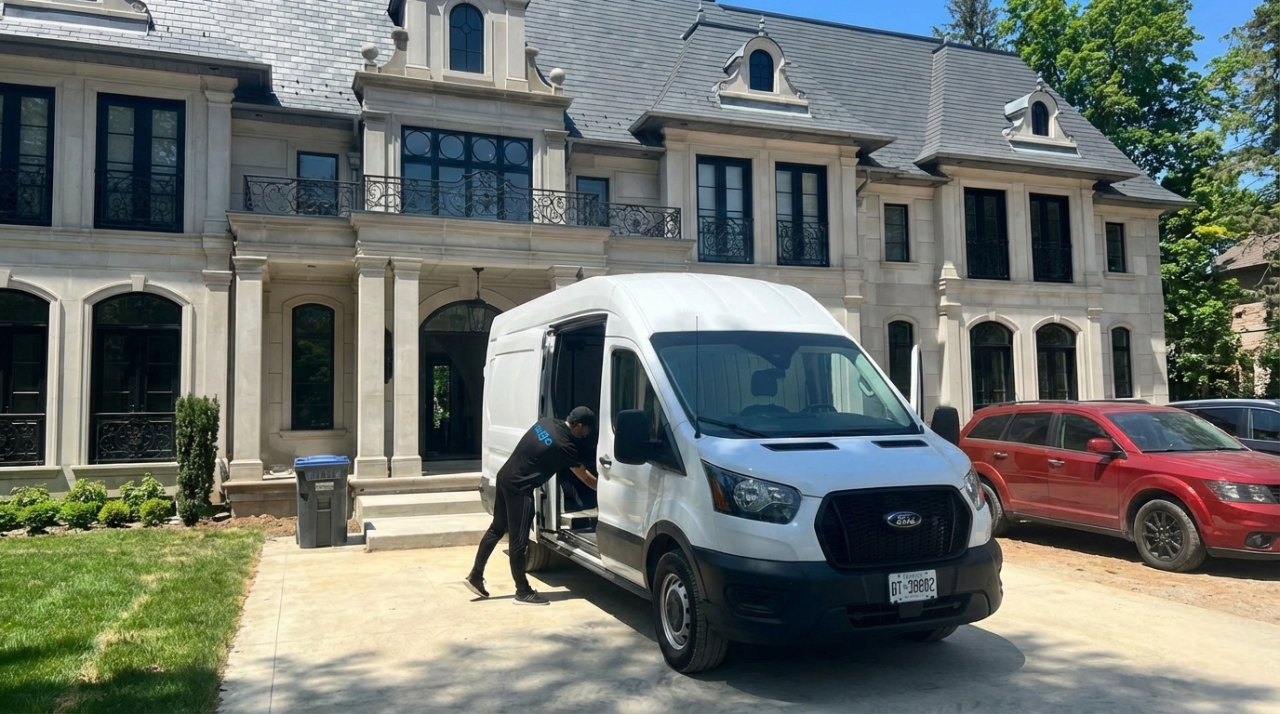
Moving to Forest Hill Toronto: Complete 2026 Neighborhood Guide
Forest Hill is one of Toronto’s most prestigious neighborhoods, but moving to Forest Hill is very different from moving elsewhere in the city. Estate-scale homes, narrow streets, and high-value collections change both cost and planning requirements.
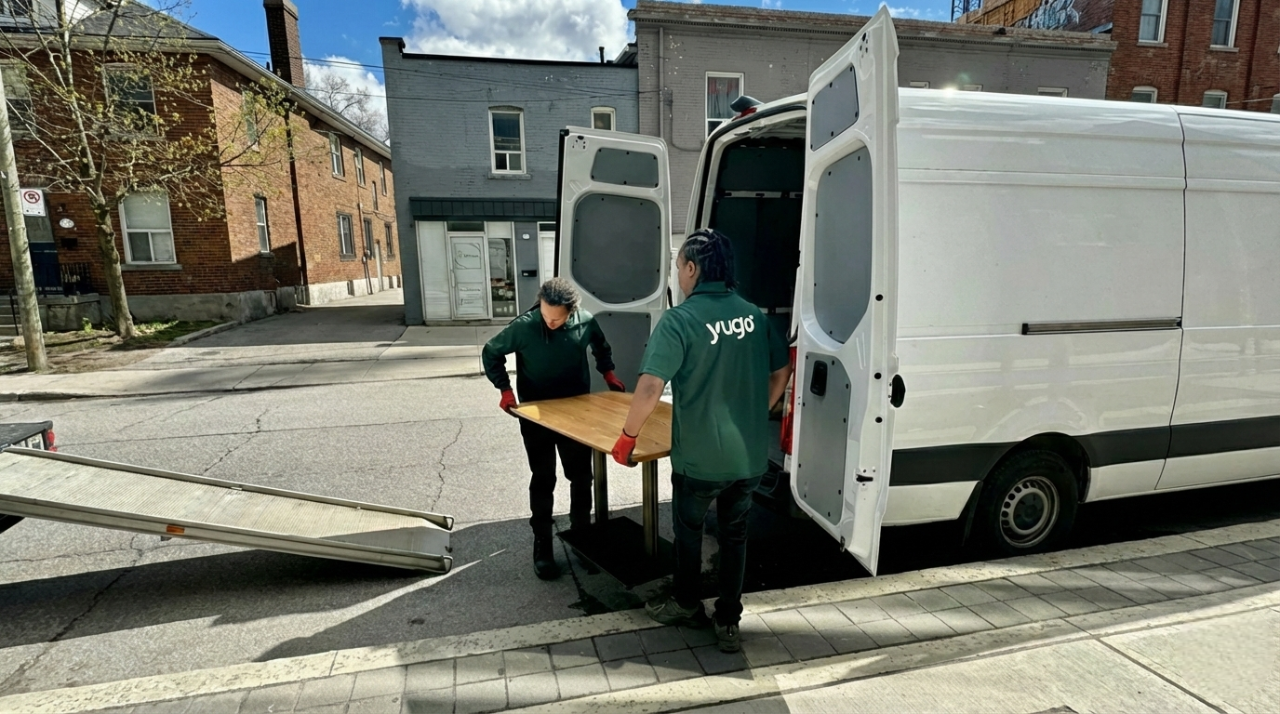
How Far in Advance Should You Book Movers in Toronto? Complete 8-Week Moving Timeline
Most Toronto homeowners start planning 2 weeks before moving day. That's 6 weeks too late. This Moving Timeline answers the question people actually search: how far in advance to book movers Toronto, and what changes if you’re dealing with condo moving Toronto versus a house move. It also includes a practical Toronto moving checklist so your relocation planning doesn’t get compressed into the final week.
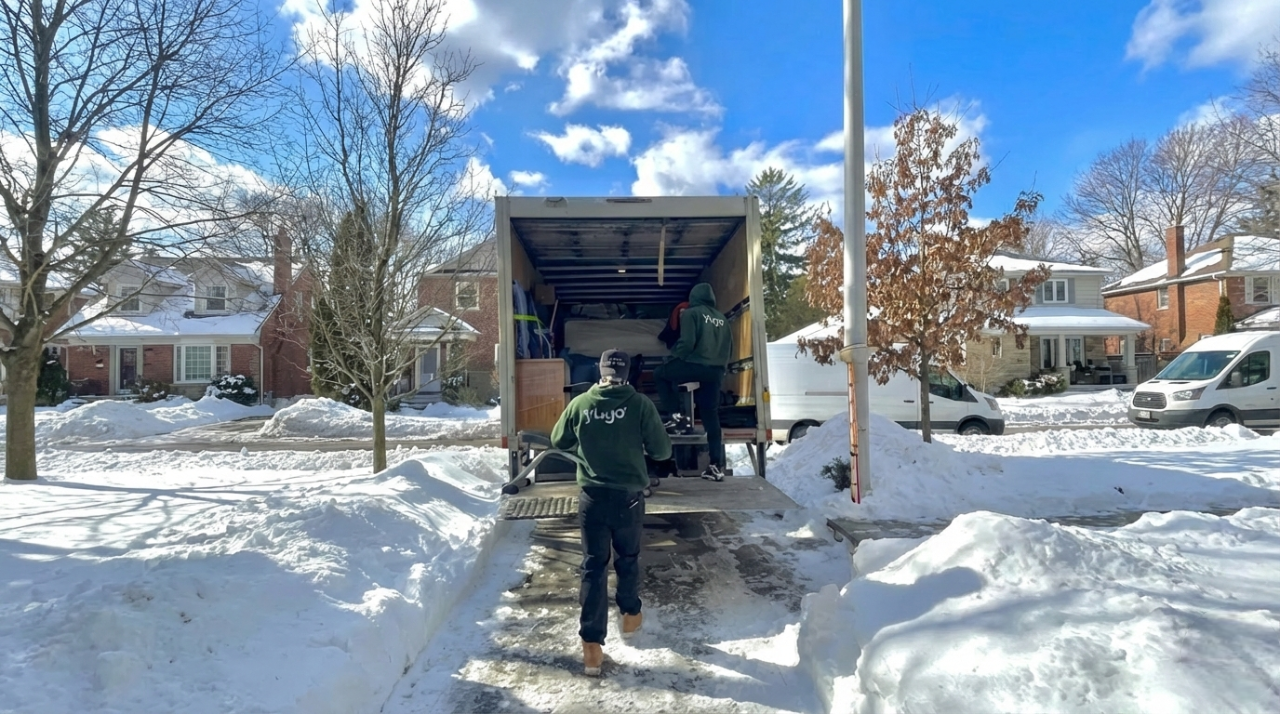
Moving in Winter Toronto: Complete Safety Guide 2026
Winter moves in Toronto cost 15-25% less than summer, but snow, ice, and cold create unique challenges. Here's how to move safely from November through March.
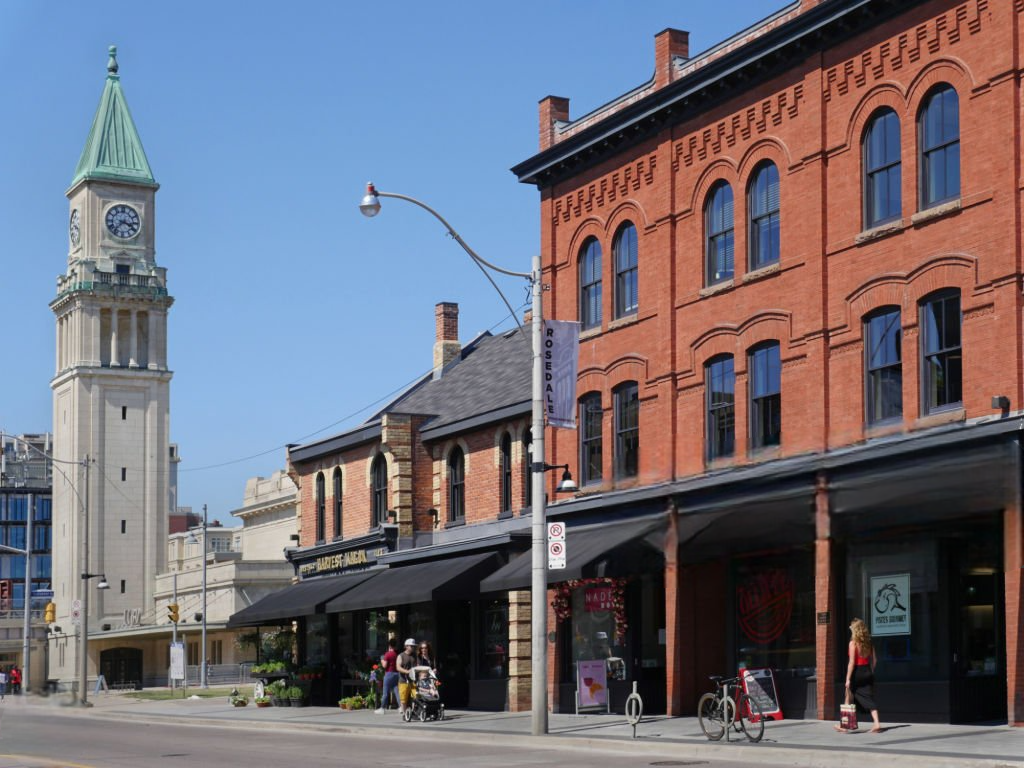
Moving to Rosedale: A Practical Guide to Planning a Smooth Relocation
Rosedale is one of Toronto’s most esteemed neighbourhoods, known for its historic homes, tree-lined streets, and serene atmosphere. Relocating to Rosedale means more than just moving into a new home, it’s about adjusting to a community with a rich history, unique architectural features, and specific logistical considerations. Many homes in Rosedale were built decades ago, offering a distinct set of challenges that require thoughtful planning and specialized attention.

Moving With Pets: A Practical Guide for Toronto Families
Here's what your pet experiences on moving day: strangers in the house, furniture disappearing, doors propped open, their favorite spots blocked by boxes. Every signal says danger. Every instinct says hide or run. Animals don't understand transitions. They understand routines. And moving breaks every routine they have.

An Expert Guide to Choosing the Right Moving Company for a High-Value Home in Toronto
The difference between a good move and a disaster often comes down to questions you didn't think to ask. Moving to a high-value home is not the same as moving to a regular house. The stakes are different. A standard mover might scratch your hardwood or ding a wall. Annoying, but fixable. When you're relocating a home with original artwork, custom millwork, a wine collection, or furniture that took six months to source, the margin for error shrinks considerably.