
Moving With Pets: A Practical Guide for Toronto Families
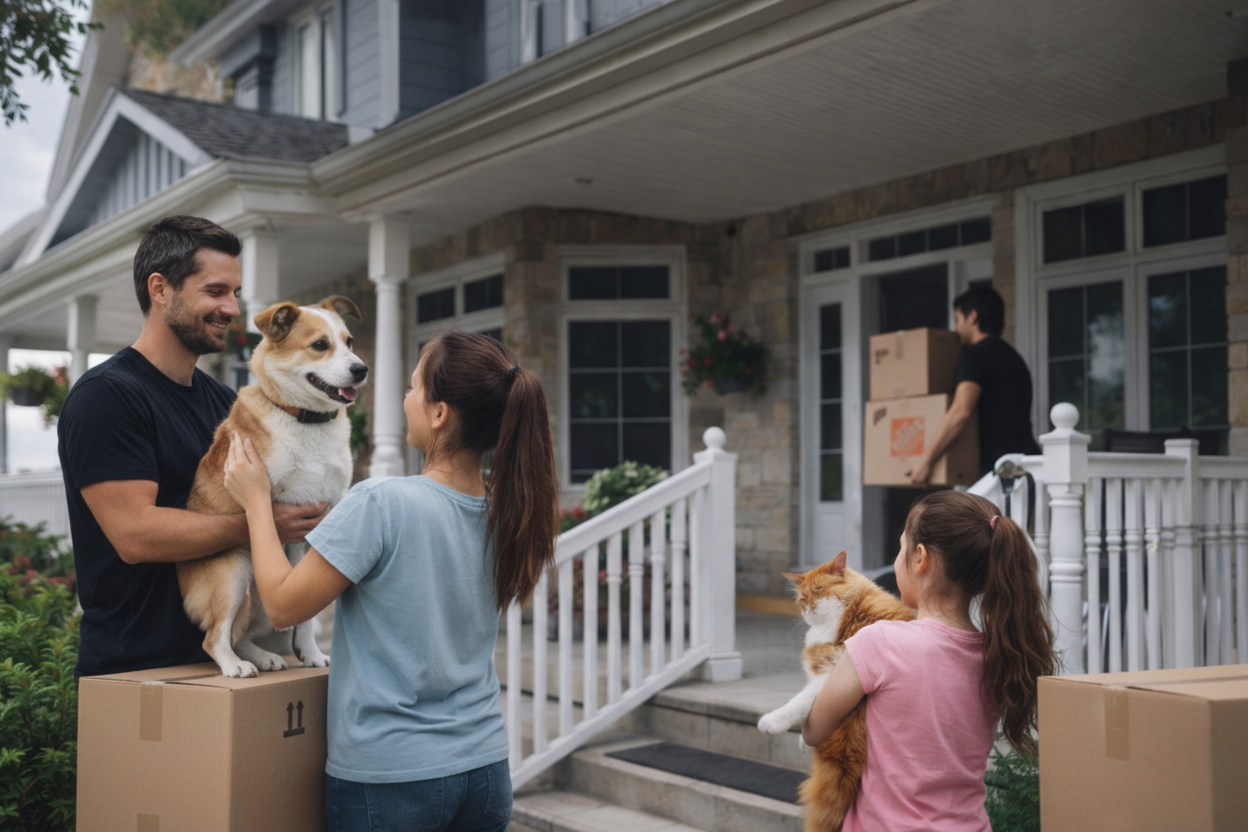
Here's what your pet experiences on moving day: strangers in the house, furniture disappearing, doors propped open, their favorite spots blocked by boxes. Every signal says danger. Every instinct says hide or run. Animals don't understand transitions. They understand routines. And moving breaks every routine they have.
The good news is that most of the stress pets experience during a move is preventable. It comes down to preparation, timing, and knowing what actually matters versus what sounds good in theory. This is what we've learned from helping families move across Toronto.
Our pets, whether faithful dogs, independent cats, or exotic creatures, are more than simply possessions; they are the emotional heart of our households. When someone chooses to relocate, the excitement of a new house is sometimes overshadowed by one concern: how will this affect them?
Animals have strong routines and a drive to defend their territories. When combined with the anticipated turmoil of packing, a sudden shift in their physical environment may be quite stressful. Moving with pets on the other hand, does not have to be painful. This transition may be managed gently if you have a strategy based on understanding and collaborating with a sensitive moving company in Toronto.
How To Prepare For The Move?
Preparing for a move takes a lot of effort and there are multiple steps to take and precautions to follow. Here we have mentioned some of the pet-friendly moving tips:
Start With the Vet
Book a checkup about a month before your move. Not because your pet needs one, but because you need the conversation.
This is the time to ask about anxiety. Some dogs do fine with change. Others fall apart. Your vet can tell you whether your pet is a candidate for mild sedation on moving day, or whether behavioral strategies will be enough. They can also update vaccinations if you're crossing provincial lines, and give you hard copies of records in case you need them at the new address before you've found a new vet.
If your pet has any health conditions, ask specifically about how the stress of moving might affect them. Senior pets, pets with heart conditions, and pets with anxiety disorders all need extra consideration. You can also ask your local Toronto moving companies for anxiety-specific vet recommendations.
The Pet Travel Kit Checklist
You're going to pack a bag of essentials for yourself. Do the same for your pet. Keep it in your car, not on the truck.
What goes in it: Three days of food, their regular brand, not something new. A sudden diet change plus moving stress is a recipe for digestive problems you don't want to deal with while unpacking.
Bottled water. Tap water varies by neighborhood. Some pets are sensitive to the change. Bottled water for the first few days eliminates one variable.
Something that smells like home. An unwashed blanket, their bed, a worn t-shirt of yours. A familiar scent is one of the most powerful anxiety reducers for dogs and cats.
Waste bags, litter, cleaning supplies. Accidents happen when routines break. Be ready.
Vaccination records and a recent photo. If your pet escapes during the chaos of moving day, you want to be able to prove ownership and show people what they look like.
Medications, if any.
The Packing Phase: A Cleaner Approach
The Week Before
This is when you start normalizing the chaos.
Bring out the moving supplies early. Let your pet investigate the boxes and bins while they're empty. A cat who's had a week to sniff around the packing materials is less alarmed when the house fills up with them.
We use plastic bins instead of cardboard for a few reasons, but one of them is noise. Cardboard requires tape, and tape guns are loud. The crinkle of packing paper, the screech of tape, the thud of boxes being stacked. All of that registers as alarming to an animal with sensitive hearing. Plastic bins are quieter. They click closed. They don't smell like a warehouse.
If your pet has a crate, now is the time to make it feel like a safe space, not a punishment. Leave it open in a common area. Put treats in it. Let them go in and out on their own terms. On moving day, the crate becomes their sanctuary, and that only works if they already feel comfortable in it.
Executing the Moving day
When the big day arrives, your house transforms from a refuge into a place to work. A residential moving staff will be focused on completing tasks swiftly and with open doors.
Here's the most important thing you can do for your pet on moving day: remove them from the chaos entirely.
Before the house movers arrive, set up a single room as pet headquarters. A bathroom works well because it's small, has a door that closes, and is usually the last room to be touched. Put their bed, water, food, litter box if applicable, and a few toys inside. Put a sign on the door that says "Do Not Open - Pet Inside."
Then close the door and leave it closed until you're ready to put them in the car.
This does two things. First, it keeps them safe. Open doors, distracted humans, and unfamiliar people in the house create escape opportunities. Cats especially will bolt through any gap they can find. Second, it keeps them calm. They can't see the furniture leaving. They can't watch their territory being dismantled. They just hear muffled sounds from a familiar room.
When it's time to leave, put them in their carrier, put the carrier in your car, and drive them yourself. Pets should never travel in the moving truck. There's no climate control, the ride is rough, and they'll be terrified.
Arrival: Slow Introduction
Your instinct will be to let them explore the new house. Resist it. A large unfamiliar space is overwhelming. Set up another sanctuary room at the new place first. Same concept: their bed, their bowls, their litter box, familiar items. Let them decompress in that room while you unpack the rest of the house.
Over the next few days, let them explore gradually. One room at a time. Keep their core items, the bed, the bowls, in the same spot while everything else settles.
Dogs do better with outdoor exploration first. Short walks around the new block help them build a mental map of the neighborhood. Keep the walks positive. Treats, praise, relaxed energy. You're helping them understand that this new place is safe.
Cats take longer. Expect a week or two of hiding, cautious exploration, and general suspicion. This is normal. Don't force interaction. Let them come to you.
What About Fish, Birds, and Small Animals?
Aquariums are complicated. We can move the tank and the stand, but we recommend hiring a specialist to handle the water, the fish, and the ecosystem itself. Aquarium chemistry is delicate, and the stress of transport can kill fish if it's not managed carefully.
Birds, hamsters, guinea pigs, and rabbits should travel in your car, not on the truck. Small animals are fragile. They're sensitive to temperature swings and vibration. The back of a moving truck is the worst possible environment for them.
Reptiles have specific temperature requirements. If you're moving a snake or a lizard, keep them in a temperature-controlled carrier and monitor conditions throughout the drive.
When Your Pet Doesn't Handle Change Well
Some pets are more anxious than others. If you know your dog struggles with new situations, plan around that.
Boarding for the day. Drop them off at a kennel or doggy daycare the morning of the move, pick them up that evening once the trucks are unloaded and the chaos has settled. They skip the worst of it entirely.
A friend's house. Same concept. If someone your pet knows and trusts can host them for the day, take advantage of it.
Medication. Talk to your vet. For severely anxious pets, a mild sedative can make the difference between a traumatic day and a manageable one. This isn't weakness or cheating. It's kind.
If your dog is aggressive with strangers, don't try to manage them on moving day. The combination of protective instincts, territorial anxiety, and unfamiliar people in the house is dangerous for everyone. Board them or send them to a friend's house. No exceptions.
After the Move
The first week in a new home is an adjustment period for everyone, pets included.
Maintain their routine as closely as possible. Same feeding times. Same walk times. Same bedtime. Routine is the fastest path back to normal.
Unpack their things first. Before you deal with the kitchen, before you set up the TV, set up their corner. Bed, bowls, toys, all in one spot. This gives them an anchor point in an unfamiliar space.
Expect some regression. House-trained dogs may have accidents. Cats may hide for days. This isn't permanent. It's their nervous system processing a major change. Stay calm, stay consistent, and give them time.
If strange behaviors persist beyond two weeks, check in with your vet. Prolonged hiding, refusal to eat, or significant personality changes can indicate deeper stress that might need intervention.
How Professional Movers Support Pet-Friendly Relocation?
A reputable moving company in Toronto does more than just transport items from one location to another. A good moving crew understands that pets are part of the household. They move carefully through spaces where animals live. They keep doors closed. They communicate before entering rooms. They keep the energy calm and professional because we know that chaos doesn't just stress the humans. This isn't a special service. It's just how a move should be run when you're working with families.
Transporting Pets Safely: Relocating may be traumatic for animals, whether they are relocating across Toronto or simply down the block.
For Short-Distance Moves: Pets should be safely carried in cages or on leashes. Bring familiar furnishings to make you feel more at ease. Animals should not be permitted to wander freely inside automobiles.
For Longer Relocations: Plan relaxation periods, supply water, and keep the temperature comfortable. Some families prefer to carry their dogs physically rather than transport them in a moving vehicle because they feel safer and more in control.
No matter the distance, thoughtful planning makes moving with pets far less stressful.
The Bottom Line
Moving with pets isn't complicated. It just requires thinking ahead. Prepare them gradually. Protect them on moving day. Introduce the new space slowly. Maintain their routine while everything else changes.
Do those four things, and your pet will adjust. They won't remember the stress of the move. They'll just know that wherever you are is home.
Yugo is a Toronto-based moving company that works with families across the GTA. For questions about pet-friendly moves or to schedule a consultation, visit helloyugo.com
FAQs (Frequently Asked Questions)
-
Many competent teams have been trained to work with pet owners. They walk gently, shut the doors, and recognize that people need to remain calm when things become hectic.
-
The sanctuary room method. Before the movers arrive, put your cat in a small room like a bathroom with their litter box, water, and food. Tape a sign to the door that says "Do Not Open - Cat Inside." Don't open that door until you're holding the carrier and ready to put them directly in your car. Cats are fast and stressed cats are faster. One propped-open front door is all it takes.
-
We can move the tank and the stand, but we don't transport fish or handle the water. Aquarium ecosystems are delicate, and the chemistry can crash during a move if it's not managed properly. We recommend hiring a specialist who handles aquarium relocation in Toronto. They'll know how to maintain temperature, preserve beneficial bacteria, and keep your fish alive during transit.
-
Yes, for a few reasons. Cardboard absorbs odors and can harbor dust or pests, plastic doesn't. Cardboard requires tape guns, which are loud, plastic bins click shut quietly. And cardboard boxes collapse and shift, while plastic bins stack cleanly. If you have a noise-sensitive pet, the difference in packing sounds alone is worth it.
-
Short, positive walks. Let them sniff everything. They're building a mental map of the new territory, and scent is how they do it. Keep the walks upbeat, bring treats, and stick to your usual schedule for feeding and walking. Routine is the fastest way to signal that life is back to normal.
-
If there are days between closure periods, consider booking a pet motel or boarding centre. This relieves them of the stress associated with temporary dwelling or trips to storage facilities. Until their new home is ready, they will be cared for in a secure setting.
-
No. Small animals should travel in your car with you. The back of a moving truck has no climate control, and the vibration and temperature swings can be fatal for birds, hamsters, guinea pigs, and rabbits. Keep them in a secure carrier, keep the car at a comfortable temperature, and drive them yourself.
-
When searching for a local moving company near me, read reviews that praise the crew's professionalism and customer service. Pets dislike crews that are loud and aggressive. HelloYugo takes pride in being a peaceful, pleasant presence that helps the whole family feel less anxious.
-
Board them or send them to a friend's house for the day. This isn't optional. A territorial dog plus strangers moving through their home plus open doors is a liability for everyone. Even if your dog has never bitten anyone, moving day stress can push animals past their usual limits. Remove the risk entirely.
-
Immediately. Before you unpack the kitchen, before you make your own bed, set up their corner. Bed, bowls, litter box, familiar toys. This gives them one spot in a strange house that smells right and feels safe. Everything else can wait.
