
Moving to Bridle Path: A Guide on How to Plan a Large-Scale Estate Move
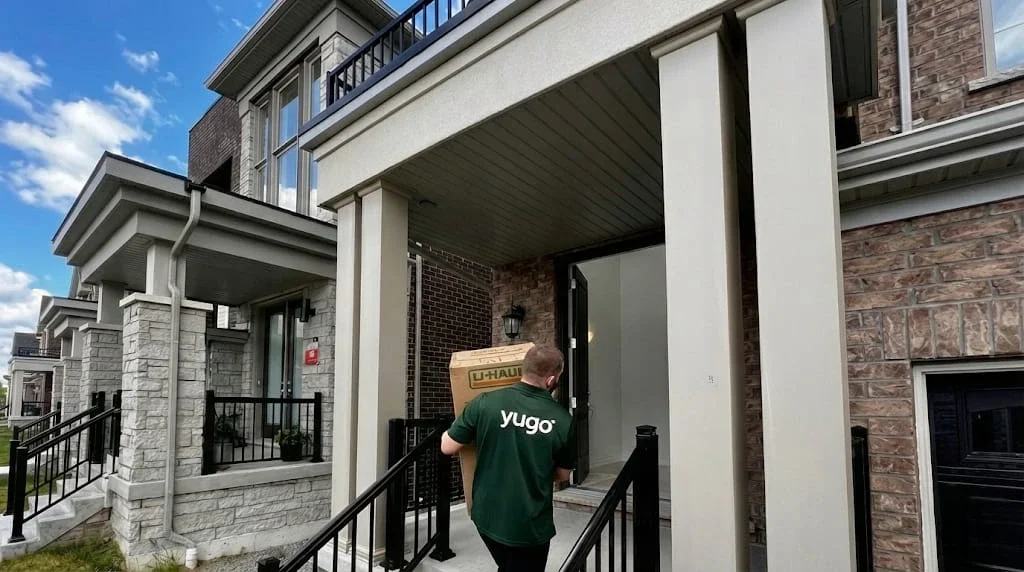
What it actually takes to relocate a 10,000-square-foot estate. And why most residential movers get it wrong.
There's a particular kind of silence on The Bridle Path. It's the hush of two-acre lots, the buffer of heritage oaks, the careful choreography of privacy. Toronto's most valuable residential address, where Georgian estates share the canopy with glass-and-steel architectural statements, operates on a different frequency than the rest of the city.
Moving here requires the same discretion.
An estate relocation of this scale isn't a moving job. It's a logistics operation with the complexity of a film production and the stakes of fine art conservation. The difference between a seamless Bridle Path move and a nightmare often comes down to decisions made weeks before a single item is packed. Here is an expert guide vetted by Bridle Path estate movers for making the move to your new home go smoothly.
The Anatomy of an Estate Move
The usual "pack and load" method doesn't work when moving to a house with a wine cellar, a library, staff rooms, and gardens.
An estate move requires a phased logistics strategy.
Phase 1: The Technical Audit
The most important phase of an estate move happens when the house is still fully lived in. A proper site audit, conducted four to six weeks before moving day, addresses two realities that most residential movers never encounter.
The process starts with a full site audit by a top move coordinator. This audit is very important in the Bridle Path for two reasons:
Volume Assessment:
A 12,000-square-foot home with a wine cellar, library, staff quarters, and four-season gardens doesn't fit neatly into standard cubic-foot calculations. Every room requires a full assessment. Every closet needs to be checked.
Assess the garage, the pool house, the temperature-controlled storage. The goal isn't an estimate. It's an inventory architecture that determines crew size, vehicle allocation, and a realistic timeline.
Access Engineering:
Bridle Path driveways were designed for privacy, not for 53-foot transport rigs. Many feature weight-restricted heated pavers, sharp curves at the gate, or grades that make standard truck access impossible.
During an audit, the estate's large home movers determine whether shuttle vehicles, smaller and more maneuverable vans, need to relay items from the residence to a main truck staged on the street. This isn't a surprise you want to discover on moving day. It's a variable of your estate moving Toronto-based partner engineers around weeks in advance.
Phase 2: Asset Preservation & Crating
Standard residential white glove moving service for homes use blankets. Use custom crating methods for things like fine art handled by certified art movers, lighting, and marble statues. Our team weighs and measures each valuable item on-site and builds custom wooden crates with chemically neutral foam inside. This keeps oil paintings safe from moisture and vibrations and keeps crystal fixings safely in place while they are being moved.
Standard residential moving protocol relies on furniture pads and shrink wrap. That approach works for a sectional sofa. It fails completely for a Calder mobile, an eighteenth-century armoire, or the Murano chandelier in the dining room.
Estate collections require creating. Custom wooden enclosures built to the exact dimensions of each piece, lined with chemically neutral foam that won't off-gas onto oil paintings or oxidize silver. Our team measures and photographs each item on-site, then constructs crates in our facility before moving day arrives. The chandelier isn't wrapped in a blanket and hoped for the best. It's suspended in a structure engineered specifically for its weight, balance, and fragility.
This process adds time. It also eliminates the phone call no one wants to receive.
Elevated Details in Packing
The materials that touch your belongings matter more than most people realize. We stopped using cardboard years ago. Not for environmental reasons alone, but because porous cardboard harbors dust, absorbs moisture, and crushes under weight.
For estate moves, use clean, sealed plastic containers. Waterproof, stackable, structurally sound. They protect cashmere from humidity. They don't collapse in the truck. And when stacked in your foyer during the transition, they look like what they are: a system, not a mess.
There's something to be said for the aesthetics of a well-run operation. Even in the chaos of a move, your home should still feel like your home.
Security and Discretion: The Invisible Service
The best luxury is the kind no one sees. Many of our Bridle Path clients are public figures, executives, or families who simply value their privacy. We've built our protocols around that reality.
Our crews are permanent staff, not day laborers. Every team member has been background-checked and trained in discretion protocols. They don't post photos. They don't mention addresses. They don't discuss the contents of your home with anyone, ever.
On moving day, we coordinate with your security team if you have one. Gate access is controlled. Inventory manifests remain confidential. There are no branded trucks parked on the street announcing that the house is in transition.
The goal is simple: by the time your neighbors notice anything, you're already settled in.
Managing the "Specialty" Collections
Bridle Path homes often contain collections that require specialized knowledge. A general mover might technically be able to lift a Steinway concert grand. That doesn't mean they should.
The Wine Cellar:
A 2,000-bottle collection represents decades of careful acquisition. Vintage wine is sensitive to temperature fluctuation, and even a few hours in a hot truck can compromise corks and chemistry. We use climate-controlled vehicles that maintain a steady 55°F throughout transport. Your Burgundy arrives the way it left.
The Piano:
Moving a grand piano safely requires more than muscle. We disassemble the legs and lyre, wrap the body in quilted padding, secure it to a custom piano board, and navigate it through the house with the care it deserves. Our teams have moved to Steinways, Bösendorfers, and Faziolis. The instrument that anchors your living room will anchor the new one just the same.
The Garage:
For clients with collector vehicles, we coordinate enclosed car carriers or flatbed transport. No additional miles on the odometer. No exposure to weather or road debris. The cars arrive at the new twelve-car garage exactly as they left the old one.
The Arrival: A Turn-Key Experience
Here's what we believe: the goal of a great move isn't just getting your belongings from one address to another. It's making the new house feel like home before you sleep there the first night.
A full-service option should include complete unpacking and placement. We photograph the bookshelves, the display cabinets, the linen closets in your current home. Then we replicate that arrangement in the new one. Books return to their order. Kitchens become functional. Closets are organized by color, by season, by whatever system you prefer.
By the time we leave, there's nothing to unpack. No boxes stacked in the hallway. No weeks of "we'll get to it eventually." Just your home, ready to live in.
The Timeline
Estate moves don't happen in a single day. A typical Bridle Path relocation follows a phased schedule:
Weeks 1 through 4: Site audit, access assessment, inventory documentation, crate construction for fine art and fragile items.
Days 1 and 2: Professional packing of all household contents. Specialty wrapping for furniture, art, and delicate pieces.
Day 3: Loading. Multiple trucks if necessary, with items organized for efficient unloading at the destination.
Day 4: Transport, unloading, placement, and unpacking. Final walkthrough with your household manager or family.
We build custom timelines for every estate. The schedule above is a framework, not a rule.
Conclusion
Moving to The Bridle Path represents a particular kind of arrival. It's the culmination of years of work, a reflection of what you've built. The experience of getting there should match.
We think of ourselves less as movers and more as transition specialists. Our job is to handle the complexity so you don't have to. To solve problems before they become problems. To deliver you to your new home not exhausted and surrounded by boxes, but settled, calm, and ready for what comes next.
That first night matters. We make sure it feels like home.
HelloYugo is a Toronto-based transition studio specializing in premium residential relocations. For estate move consultations, visit helloyugo.com
Frequently Asked Questions (FAQ)
-
This is standard for us in The Bridle Path. We assess driveway width, turning radius, and weight limits during the initial site visit. If a full-size truck can't access the property safely, we use a shuttle system with smaller vehicles that won't damage pavers or landscaping.
-
We offer Full Value Protection for estate moves, which covers items at their current appraised value rather than by weight. For significant pieces like fine art, we work with independent appraisers to ensure proper documentation and coverage.
-
It depends on the home, but most Bridle Path moves span four to seven days of active work. Day one is typically packing bedrooms, closets, and personal items. Day two covers living spaces, kitchens, and any remaining areas. Day three is loading, which for a 10,000+ square foot home often requires two trucks and a full crew working in coordinated zones. Day four is transport and unloading at the new residence. If you've opted for full unpacking and placement, that extends into day five, six or seven. We'll build a realistic timeline during the site audit based on your specific home.
-
Everything. With our luxury white glove moving service, we unpack every box, place items where they belong, and organize as we go. Kitchens get set up with dishes in cabinets and utensils in drawers. Closets are hung and folded. Books go back on shelves. Bathrooms are stocked. By the time we leave, you're not living out of boxes for the next three months. You're home. We remove all packing materials and bins when we're done.
-
Every crew member signs a confidentiality agreement. We don't use branded vehicles that advertise a move in progress. We coordinate with private security teams on gate access and timing. Inventory manifests are kept strictly confidential.
-
Yes. We use climate-controlled trucks that maintain cellar temperature throughout transport. Bottles are packed in specialized wine cartons that prevent movement and breakage. Your collection arrives stable and undisturbed.
-
Yes. Grand pianos require specific handling. We remove the legs and lyre, wrap the body in quilted padding, and secure it to a piano board for transport. Our teams have experience with Steinway, Yamaha, Bösendorfer, and other high-end instruments. If you have a concert grand or a particularly valuable piece, we'll discuss the approach during the site audit.
-
Absolutely. We handle long-distance estate moves from Vancouver, New York, Muskoka, and beyond. Your shipment travels on a dedicated truck, not combined with other moves. Direct routing, predictable timing, single point of accountability.
-
For an estate move, we recommend six to eight weeks lead time. This allows for a thorough site audit, construction of custom crates, and allocation of our most experienced crew. Earlier booking guarantees availability.
